NEW PIPELINES
» Constitution Pipeline – FERC Dockets CP13-499-006, CP18-5-004
» Wright Interconnect Project – FERC Docket CP13-502-003
» AGT Enhancement (aka R.A.R.E.) – No FERC Docket yet, preparing to file this year
*Enbridge started approaching land owners for surveys for the project late fall 2025.
» Northeast Supply Enhancement (NESE) – FERC Dockets CP17-101-007 and CP20-49-001
» Western Mass Reliability Project – Mass EFSB Docket Number: EFSB22-05 (intrastate LDC)
» Cape Cod Canal Pipeline Relocation Project– FERC Docket PF25-4 & MEPA EEA No. 16947
» Tennessee Gas Compressor Station 245 – FERC Docket CP25-496
RESOURCES

— Pipelines 101, presentation slides explaining pipeline infrastructure and permitting
— Pipeline Glossary, alphabetical listing of terms
— Filing with FERC, instructions on crafting comments and step by step filing instructions

Current pipeline infrastructure in the northeast.
OVERVIEW
Pipeline proposals are resurging in the Northeast. Aside from recent expansions of Enbridge’s “Algonquin” Gas Transmission pipeline system (AGT) in Mass, Connecticut and Rhode Island, we’re also now seeing larger new gas transmission pipeline proposals, including some previously-defeated “zombie pipelines” coming back to life and smaller expansions proposed on other systems in New York state, New Jersey and Pennsylvania.
Why does the proposal of new large transmission pipelines in PA, NJ and NY matter to us further north and east? Aside from the climate impacts imposed directly by these projects, they would also bring large quantities of Marcellus and Utica Shale gas in Pennsylvania (at least 1,050,000 dekatherms/day (“Dth/d”) combined) to existing gas hubs in New York. That could then spur further new transmission pipelines in New England, especially since many of these projects specify bringing more gas our market as their purpose. See the list of proposals currently in the works below.
SHIFTING LANDSCAPE
After mentioning that she was adopting an “all of the above” energy policy in summer 2025, Massachusetts Governor Maura Healey has let us know more about what that would entail. And it flies in the face of the climate-centered energy policies so many of us across the state have worked for for the last decade.
In fall 2025 reporting, we found that Healey lent her approval to expansion of Enbridge’s “Algonquin” Gas Transmission system (AGT) in the southeastern portion of the state, in a new project then dubbed “R.A.R.E” (Reliable, Affordable, Resilient, Enhancement) – now called “AGT Enhancement”. She has also recently proposed ending the existing 1982 referendum that prohibits adoption of any new nuclear without a vote from the public in Section 45 of her energy bill H.4144.
Write to or call her office to say no to expansion of gas and the erasure of the public’s right to vote on new nuclear development.
In November, Mass State Representative proposed a new House bill that would make our hard-earn climate mandates mere “recommendations”, bring back fossil fuel incentives to the Mass Save program, and make the previously defeated “pipeline tax” a reality. Having passed a vote in the TUE committee, it moved on to House Ways and Means, where it was rolled into an omnibus climate bill with several good bills, a poisoned rose hidden in the bouquet. This new bill is dubbed H.4744. We’ve nicknamed it the “Climate Rollback Bill” and it will start moving forward in early 2026. Stay tuned for more on how to fight back! We’ve worked too hard to earn some of the more innovative climate laws in the country to let them be defanged and sidelined.
Before a clean energy economy has been fully developed, let alone implemented, it is being cut short as the Governor doubles down on our over-dependence on gas and erases public input process in an expensive and risky side-road in support of nuclear development, and some of our own State Reps. work to repeal the progress we’ve made.
It’s not just Massachusetts
This renewed support for old, environmentally risky energy solutions isn’t just happening in Massachusetts. We’ve seen the pattern happening in other northeastern states as well. The Governors of Connecticut, New York and New Hampshire voiced similar turn-arounds for gas and nuclear before Governor Healey.
In nearly every case, this change in energy policy has come in response to withdrawl of federal funding for offshore wind, the region’s strongest potential supplies for non-emitting electric generation. Negotiations with each governor has involved offering a return of funding for offshore wind in return for support of the revival of the Constitution Pipeline by Williams Co. It looks as though the courts may have held off this type of negotiation in Rhode Island, at least for now, reviving their offshore wind Revolution Wind project in a case this week.
We are watching several pipeline revival and expansion proposals, all aiming to push gas into New England. Keep tabs on developments at No Fracked Gas in Mass’ Current Major Projects page.
At the federal level
There’s also a shifting in the regulatory landscape, including a recent Supreme Court decision, to limit the scope of environmental reviews undertaken in the NEPA process, and several energy-related Executive Orders that don’t yet have Congressional enforcement.
PEAKER POWER PLANTS
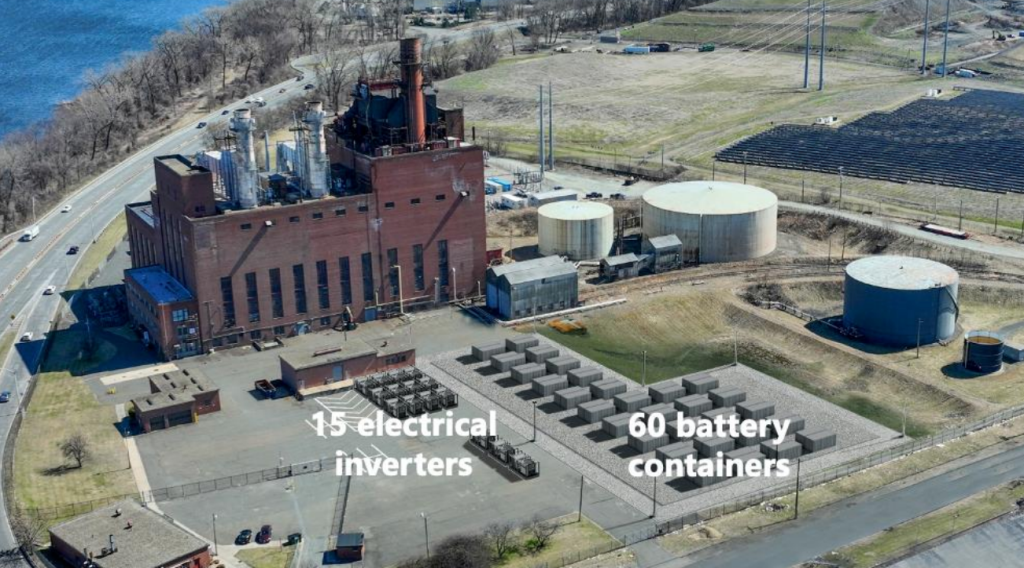
Cogentrix’s West Springfield peaker plant transition plan
» Put Peakers in the Past – Berkshire Co. Peaker campaign
» Massachusetts Clean Peak Coalition website
Share this page!
Tiny URL: tinyurl.com/NFGnewprojects